Services
8-Week Accelerator
Fellowship
Volunteer Internships
1:1 Advising
Impact
About Us
Resource Library
Expert Network
Donate
Contact Us
Join Us
Subscribe to Newsletter
Partner With Us
Services
8-Week Accelerator
Fellowship
Volunteer Internships
1:1 Advising
Impact
About Us
Resource Library
Expert Network
Donate
Contact Us
Join Us
Contact Us
Join Us
Resource Library
Explore resources to help you develop a high-impact thesis and build an impactful career.
Advice Articles
Discipline Introductions
Research Topic Articles
Impact Stories
Weighted Factor Models (WFM) for Careers
A practical guide to applying Weighted Factor Models for clearer, more value-aligned career decisions
Theory of Change for High Impact Research
Theory of Change for High-Impact Research shows how to design your thesis to lead to real-world change by clarifying who needs to act and how your work can influence them.
Testing your fit for a research career
A practical guide to evaluating whether a research career fits your goals, skills, and working style.
Finding an impactful research direction
A guide to choosing a research direction that maximizes the impact of your thesis and contributes to solving the world’s most pressing problems.
Looking after your mental health
We’ve collected some resources on how to take care of your mental health and manage common challenges.
Choosing the right PhD supervisor for you
A practical guide to finding and evaluating a PhD supervisor who aligns with your goals, working style, and long-term research impact.
Creating a Theory of Change
A theory of change is a step by step plan of how you’ll achieve impact with your research project. We think building a theory of change is one of the most important things you can do to increase the value of your research, but it often isn’t taught in universities.
Reasoning Transparency
Reasoning transparency as a research skill is your ability to make your research clear and explicit in its reasoning and conclusions
Navigating Your Undergrad or Masters Topic Choice
This guide to share the tools and frameworks we think will be most helpful to you if you're searching for a meaningful thesis topic.
Navigating Your PhD Topic Choice
We’ve compiled this guide to share the tools and frameworks we think will be most helpful to you if you’re searching for a meaningful thesis topic for your PhD.
Your research career can change the world
A guide to how impactful research can save lives, reduce suffering, and positively shape the future.
Research paths after undergraduate or masters
An overview of the different research career paths available after an undergraduate or master’s degree, and how to explore your fit for each option.
Choosing a research direction to suit you
A practical guide to choosing a thesis topic that aligns with your career goals, builds research skills, and maximizes real-world impact.
What to do with your finished thesis
Turn your finished thesis into impact, recognition, and new opportunities beyond graduation.
Engineering
Engineering uses science and technology to shape the physical world and address major global challenges.
Economics
Economics examines how incentives and resource allocation shape decisions, and how better models and policies can address major global challenges.
Biological Sciences
Biological Sciences examines how life functions—from cells to ecosystems—and how research can be directed toward solving major global challenges.
Philosophy
An introduction to how philosophical and ethical research can help clarify priorities, guide decision-making, and address global challenges.
History
An introduction to how historical research can inform decision-making, reduce global risks, and help shape a better future.
Sociology
An introduction to how sociological research can help understand social systems, influence behavior, and address major global challenges.
Law
An introduction to how legal research can help prevent large-scale harm, reduce suffering, and shape better societies.
Psychology and Cognitive Sciences
An introduction to how psychology and cognitive science research can help address global challenges and improve wellbeing.
Media, Communications, and Marketing
How can communications and marketing research help to solve the world’s most pressing problems?
Improving Climate Action
Understanding the impact of climate change and what we can do to mitigate risk.
Prioritisation Research
This article explores how prioritisation research helps determine where limited resources can do the most good, guiding decisions about which causes, strategies, and actions are most impactful.
The Impact of Social Movements
This article examines how social movements create change—and how studying both large and niche movements can help future efforts maximise positive impact while avoiding harm.
Preventing Pathogen Release
This article explores how lab accidents, dual-use research, and engineered pathogens increase the risk of human-caused pandemics—and how stronger biosafety and biosecurity can reduce these threats.
Great Power Coordination
This article examines why managing existential risks requires global coordination among major powers, with particular focus on US–China dynamics.
Progress Studies
This article introduces Progress Studies, a field focused on understanding the drivers of scientific, technological, economic, and social progress in order to accelerate positive change and human wellbeing.
Historical Persistence and Contingency
This article explores how durable social, political, and technological features can shape the long-term future—and when attempts to influence them today may have lasting or even locked-in effects.
Longtermism
This article introduces longtermism—the idea that shaping the long-term future and the lives of vast numbers of future beings may be one of the most important things we can do today.
Moral Circle Expansion
This article explores how and why humanity’s moral circle expands—and how understanding this process could help reduce suffering for overlooked present and future beings.
Improving Health and Wellbeing Metrics
This article explains why traditional health and cost-effectiveness metrics fall short and explores the wellbeing-adjusted life-year (WELLBY) as a more accurate way to measure impact and guide resource allocation.
Moral Weight Research
This article explores how to assess the moral weight of different species in order to better prioritise efforts to reduce suffering and improve wellbeing across beings with moral value.
Forecasting the Long-term Future
This article explores why improving long-term forecasting is crucial for better decision-making and reducing future catastrophic and existential risks.
Preventing Great Power Conflict
This article examines the risks of great power conflict and why modern warfare could have catastrophic—and potentially existential—consequences for humanity’s future.
Wildlife Fertility Control Research
This article explores how wildlife fertility control could reduce resource competition and improve the average welfare of wild animals, an area that has been largely overlooked in animal welfare research.
Improving the Measurement of Animal Welfare
This article examines why improving wild animal welfare could have enormous impact and how measuring biological ageing may offer a promising way to assess and compare animals’ quality of life.
Detection and Identification of Dangerous Pathogens
This article explores how biosurveillance and metagenomic monitoring can enable earlier detection of emerging pathogens and help prevent future pandemics.
Global Priorities Research
This article introduces global priorities research, an interdisciplinary field focused on identifying the most important problems and the most effective ways to improve the world using limited resources.
Improving Pandemic Governance
This article examines the devastating impacts of past pandemics and explores how better technology, governance, and preparedness can reduce the risks and consequences of future biological threats.
Improving Institutional Decision-making
This article explores how improving both decision quality and value alignment in institutions can lead to better outcomes on issues like poverty, conflict, and global risk.
Governance of Artificial Intelligence
As AI becomes more powerful, AI governance research is critical to ensure its development aligns with human values and avoids serious global risks.
Most Important Historical Trends
This article explores how analysing long-term historical trends can help anticipate major future events and guide strategies to improve human wellbeing and reduce global risks.
Civilisation Collapses
This article examines the drivers and potential impacts of societal collapse, and how research can help assess its risks and inform strategies to prevent or mitigate it.
Charitable Donations Decision-making Research
This article examines why donors overlook differences in charitable effectiveness and how research could help improve where donations go.
Reducing Risks from Malevolent Actors
Reducing Risks from Malevolent Actors examines how harmful personality traits affect who gains power and how to prevent large-scale harm.
Preventing S-risks
Preventing S-Risks examines how emerging technologies and institutions could lead to large-scale future suffering—and how to reduce those risks.
Philosophy
An introduction to how philosophical and ethical research can help clarify priorities, guide decision-making, and address global challenges.
History
An introduction to how historical research can inform decision-making, reduce global risks, and help shape a better future.
Sociology
An introduction to how sociological research can help understand social systems, influence behavior, and address major global challenges.
Law
An introduction to how legal research can help prevent large-scale harm, reduce suffering, and shape better societies.
Psychology and Cognitive Sciences
An introduction to how psychology and cognitive science research can help address global challenges and improve wellbeing.
Media, Communications, and Marketing
How can communications and marketing research help to solve the world’s most pressing problems?
Otto Tutzauer Hellström
MSc Engineering Physics, Lund University
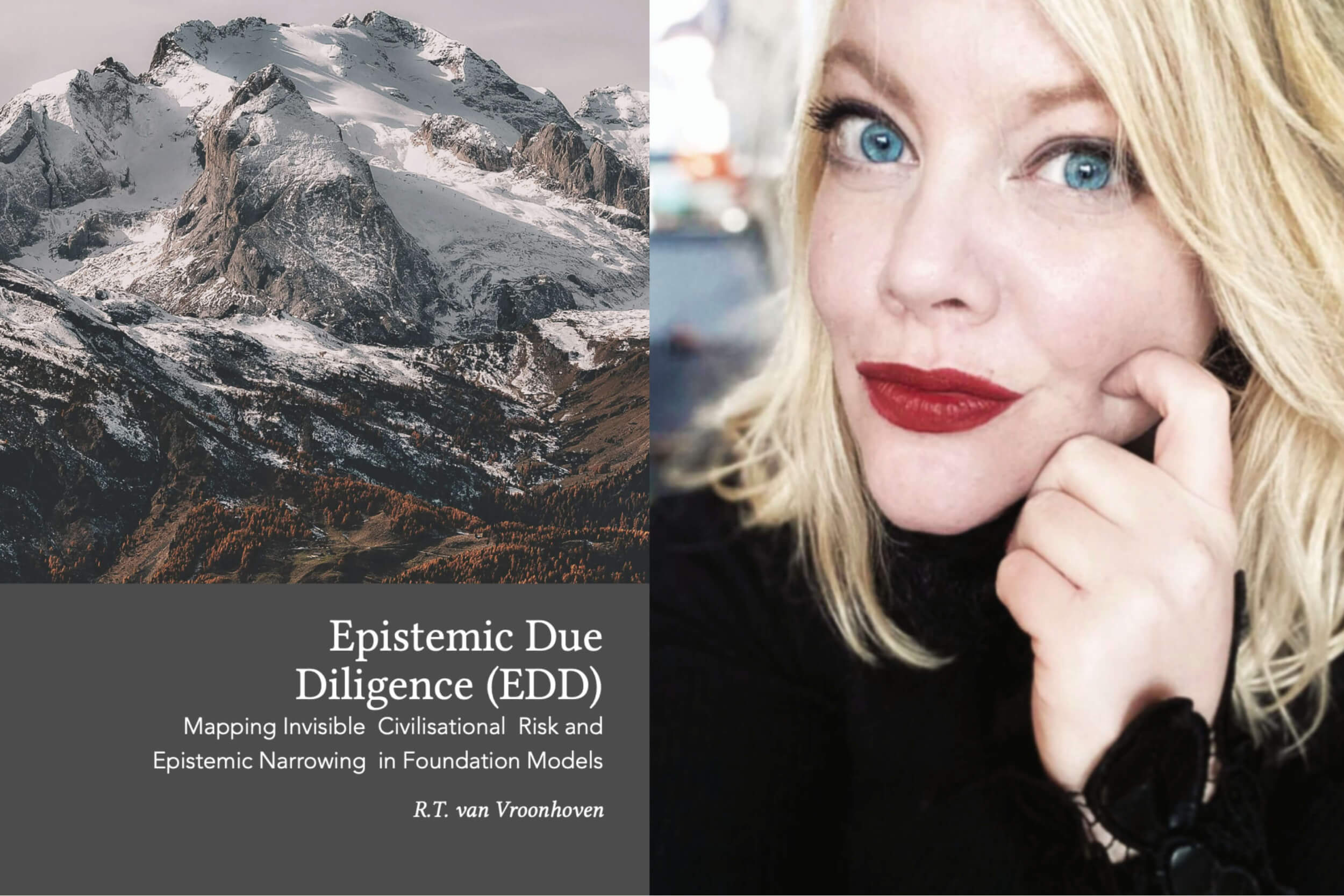
Renske Therese van Vroonhoven
Philosophy, University of Cambridge