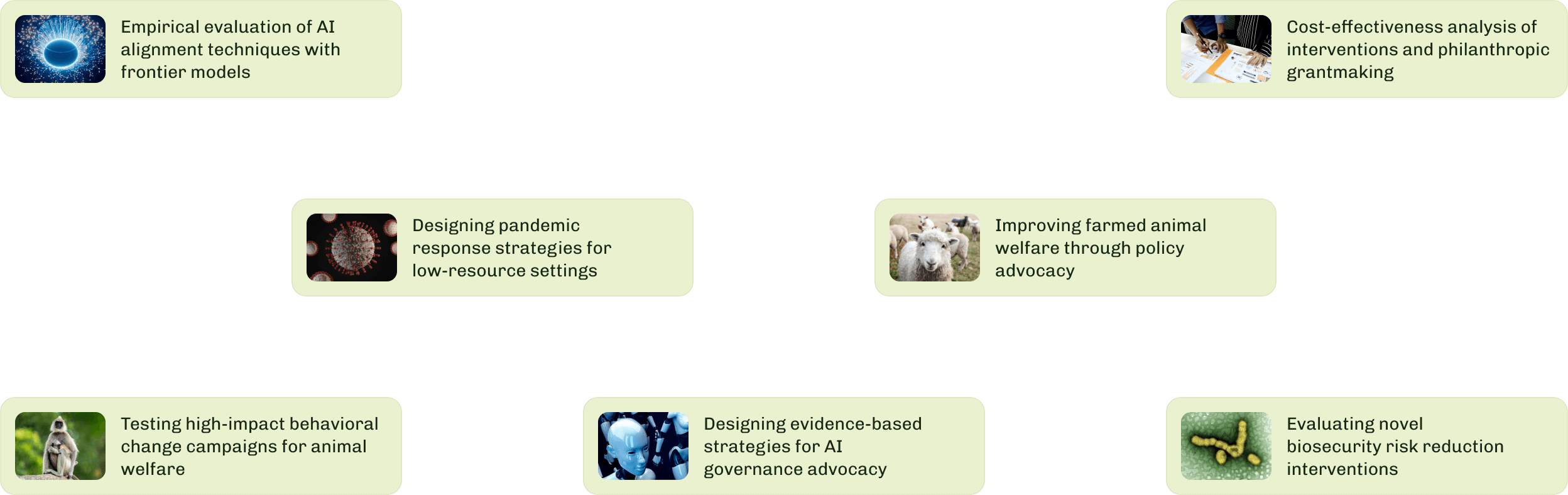
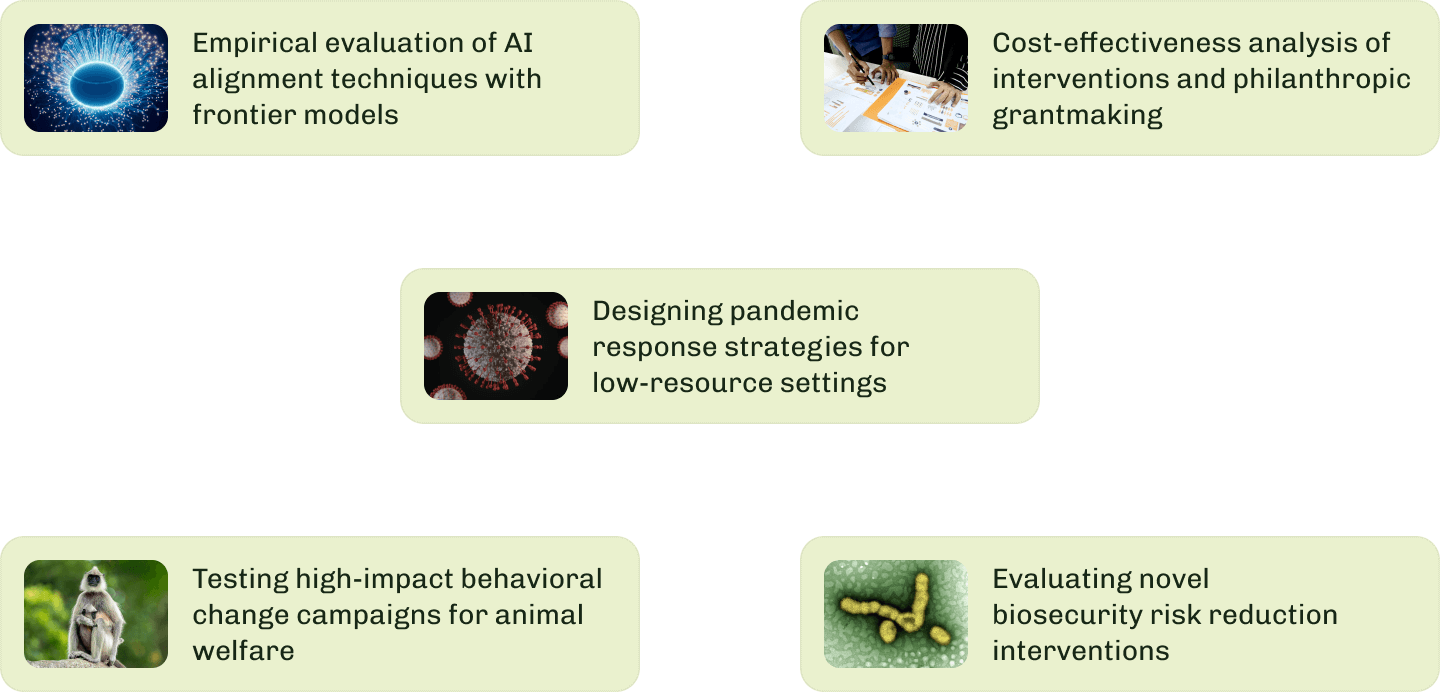
We connect students with impact-driven academics and professionals who offer personalised advice, mentorship, and guidance to help shape high-impact thesis projects and career paths.

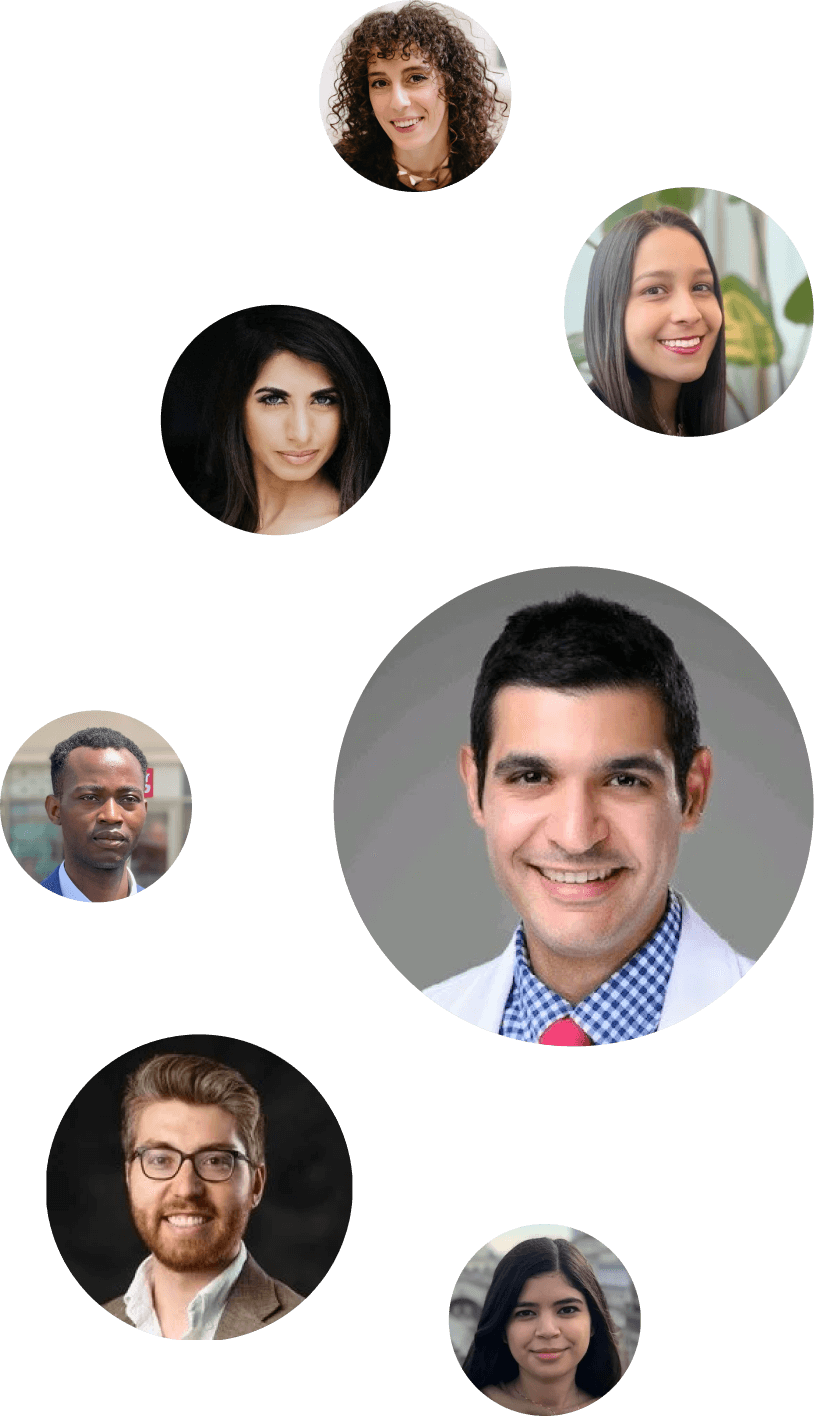
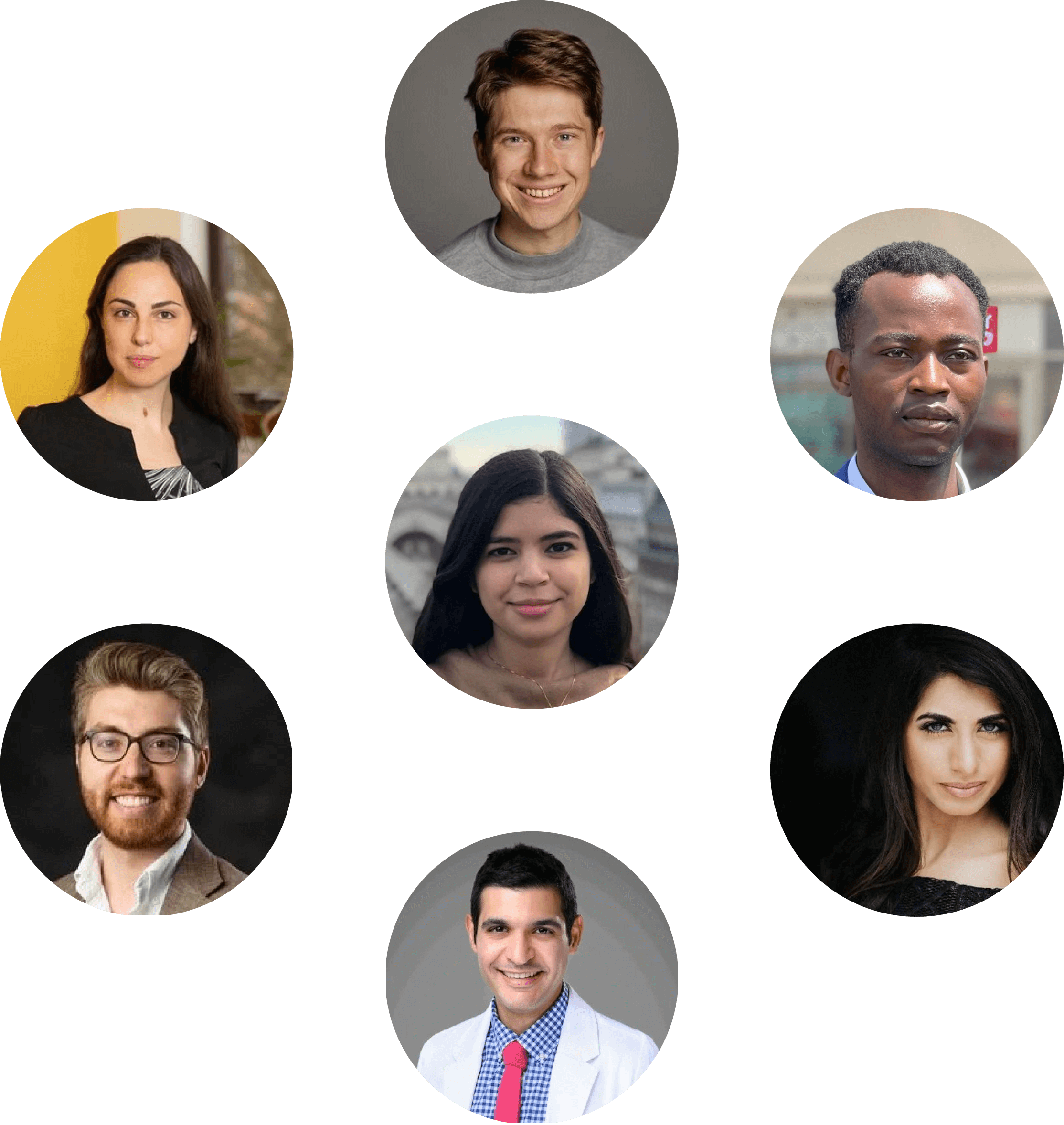










Mentor bright, motivated students and help guide their research and career paths while supporting the next generation of impact-driven thinkers.

Partner with us to connect with outstanding students who can contribute to research projects and initiatives aligned with your mission.

Connect with experts and impact-driven students from around the world working to address complex global problems.

Contribute in ways that fit your schedule - from mentoring students and reviewing research ideas to collaborating on projects

We welcome experts, academics and professionals from a wide range of disciplines working to solve important global challenges. Example focus areas include:

AI safety and ethics
Global health and pandemic preparedness
Climate change mitigation
Global priorities and cause prioritisation research
Biosecurity and existential risk
Economic development and poverty alleviation
Animal welfare and alternative proteins
Ideal candidates will have:
A Master’s, PhD, or equivalent experience in your field
A track record of impactful work or research
A passion for mentoring and guiding early-career students
A commitment to working on important problems and creating meaningful positive impact



Giulia is the Head of Global Policy at Aquatic Life Institute. She advises students interested in animal welfare, international policy, and legislative advocacy. Her work focuses on integrating welfare considerations into global food system reforms, engaging with policymakers, and advancing protections for farmed and wild-caught animals through legal and corporate initiatives.


Jeff is the Head of Investor Relations and Portfolio Operations at Untapped Ventures. His research interests focus on the evolving role of technology in society, particularly responsible AI governance, cybersecurity, and ethics.

Parendi Birdie is the Head of Brand Strategy at Mission Barns. She advises students who are interested in both technical and non-technical areas of the field of cellular agriculture.
Aditya is affiliated with the Centre for Mathematics and Computer Science (CWI) in Amsterdam, Netherlands. His research spans foundational research, improving institutional decision-making, and AI safety and policy, with specific interests in control theory, reinforcement learning, neuroscience, and economics. Aditya is particularly focused on human-aligned artificial intelligence and the governance of AI. He operates within the disciplines of computer and information sciences, economics and business, and psychology and cognitive sciences. Aditya is sympathetic to the Effective Altruism community and is willing to supervise master's students interested in applying theoretical, computational, or machine learning methods to address societal issues.

Maira is an Assistant Professor with expertise in gender studies, climate migration, and peace. She is passionate about supporting students who aspire to make a positive impact on the world through innovative analyses and promoting solutions. Maira offers guidance in various areas, including AI safety and policy, altruistic decision-making, and improving institutional decision-making. With strong communication skills, she provides constructive feedback on written and oral work, suggests relevant research topics, and is open to frequent collaboration with students. Maira is available for contact up to three times a week and is eager to expand her impact by working within a larger network. She also offers formal supervision for students in her areas of expertise.

Morris is a Board Director with a disciplinary background in psychology, specializing in the study of human behavior within research contexts. His research focuses on understanding the impact of integrity erosion and moral hypocrisy on human behavior. Morris is particularly interested in interdisciplinary approaches that integrate data science, behavioral economics, and policy analysis to address complex global challenges. He is eager to support undergraduate and graduate students with a strong foundation in global health and wellbeing, particularly those interested in applied mental health research and the effective altruism community. Morris offers a range of support from one-off consultations to ongoing mentorship and is available for contact twice a month.
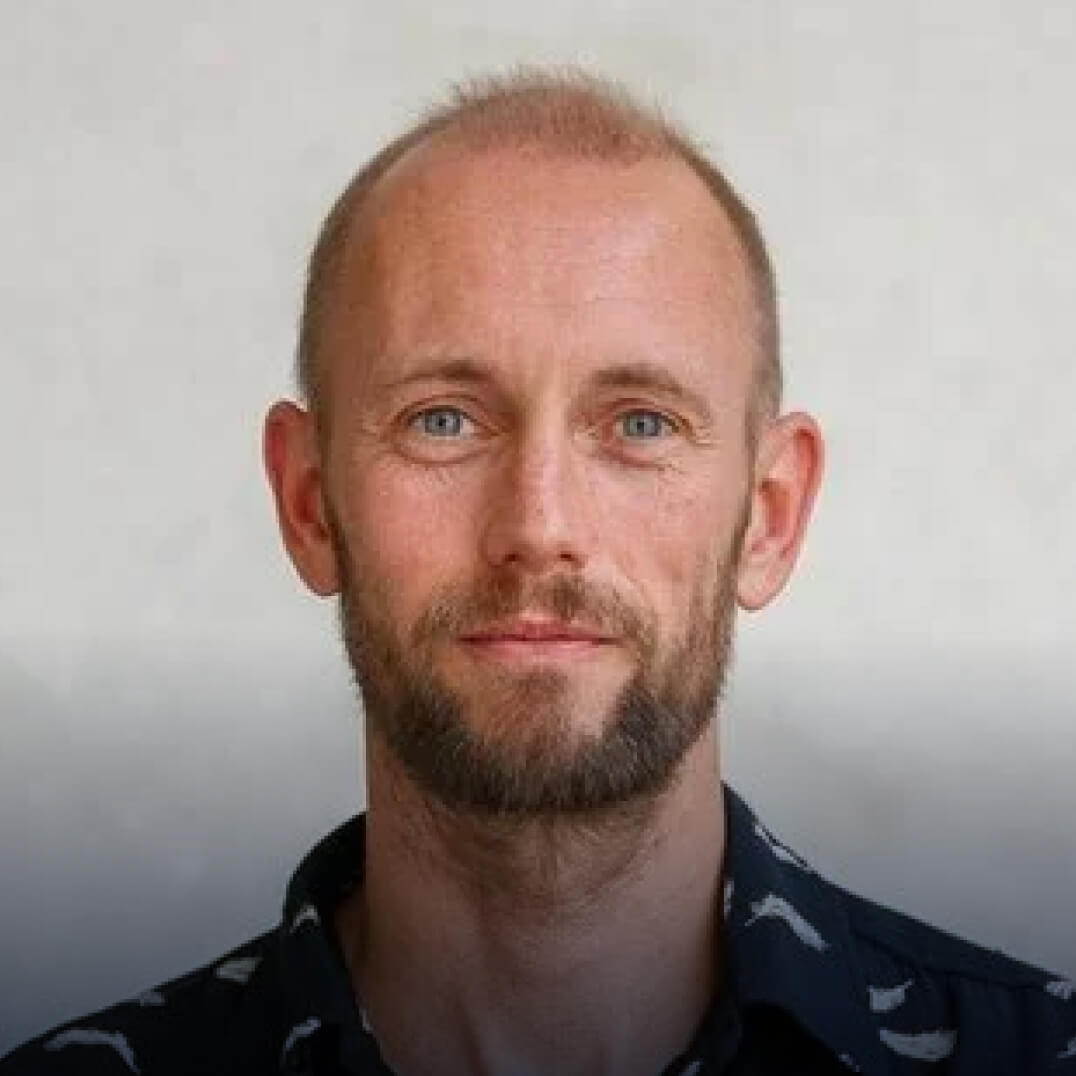
Jobst is a Lab Lead at a major academic research institution, specializing in game theory, complex networks theory, dynamical systems theory, agent-based modeling, and environmental economics. His work also encompasses social choice, general topology, and environmental ethics. Jobst's research is particularly relevant to AI safety, improving institutional decision-making, and addressing global catastrophic risks, including climate change solutions. He is available to support graduate and PhD students with a solid understanding of formal methods, offering one-off calls to discuss their research. He is open to being contacted up to twice a month and has joined Effective Thesis's expert network to provide guidance in these critical areas.
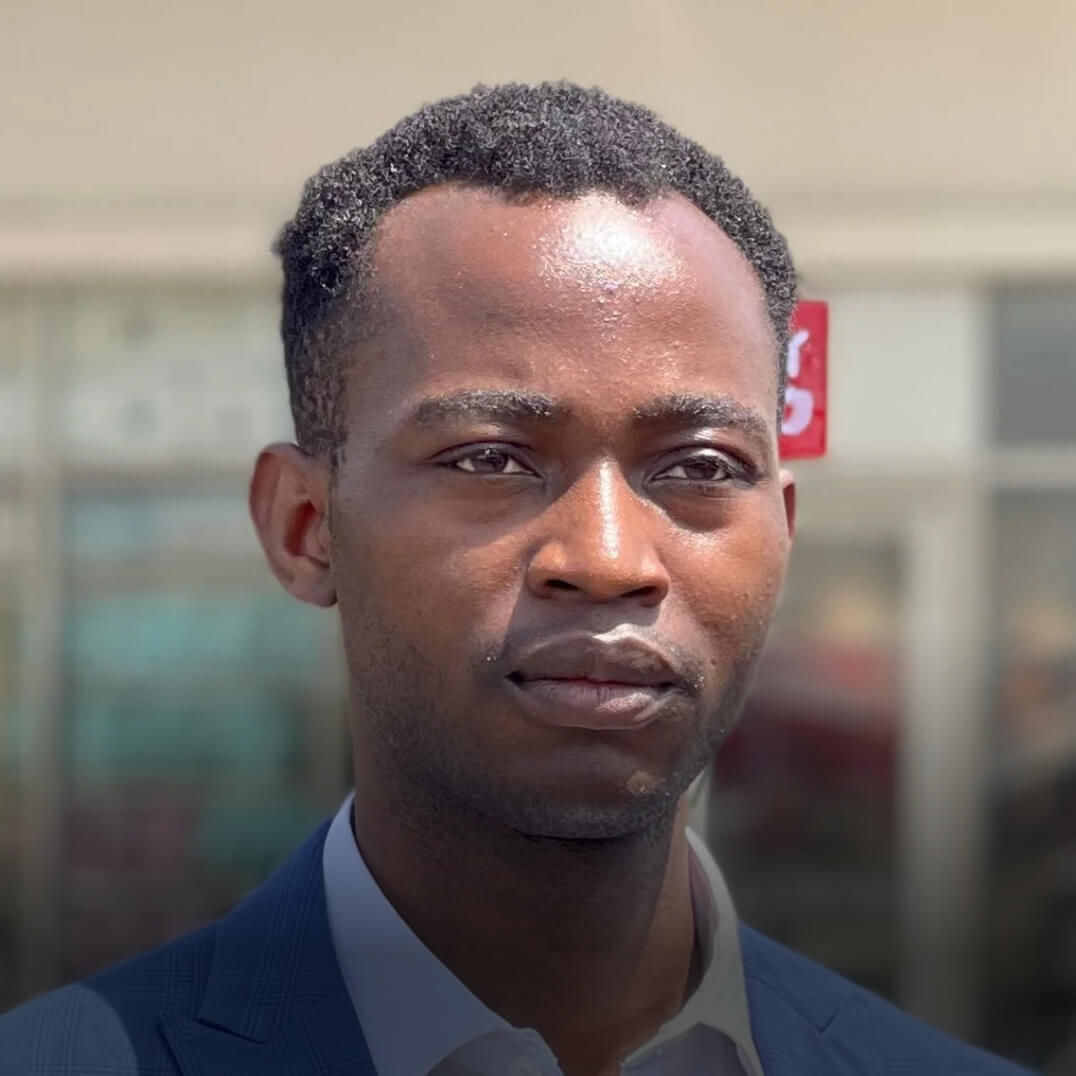
Aanu is a graduate student with a deep interest and expertise in AI, machine learning, cybersecurity, and the technology of the future, along with a strong focus on biosecurity and environmental sciences. Aanu's research spans a broad range of critical areas, including AI safety, biosecurity and pandemic preparedness, and understanding progress and change. Aanu is eager to support students in science, engineering, technology, mathematics, environment, and health fields, offering calls, feedback, and mentorship. Aanu is also open to providing both internal and external supervision for students working on projects in these vital research directions. Available for contact 2-3 times a month, Aanu is enthusiastic about engaging in meaningful exchanges with students and guiding them toward impactful research.

Rana holds a PhD in Psychology on the capacity limits of face detection and is now a postdoctoral research associate at the Department of Psychology at the University of York. Rana’s current research focuses on the cognitive factors that can lead to, or increase, existential risk, including the prevalence of omnicidal tendencies. Rana also runs an EA discussion group for psychology early career researchers focused on the role, use, and need for psychological research within effective altruism.

Meghan is an insect neuroethologist and physiologist and the Director of the Insect Welfare Research Society. She is the globally-recognized leader of the nascent field of farmed insect welfare. She advises students on insect sentience and welfare in farmed, wild, and research settings.

Ryan is a senior researcher at the Happier Lives Institute, where he investigates the best interventions to improve global happiness. He previously completed a PhD in Social Psychology, helping conduct the first randomized controlled trial to investigate the impact of cash transfers for people experiencing homelessness. His research has also explored the causal impact of cash transfers on happiness, the relationship between happiness and meaning, and the impact of technology on social life.

Sean's research background and PhD is in aerospace engineering. As co-founder of High Impact Engineers he investigates ways for engineers to maximise their positive social impact across many research areas, including AI safety, biosecurity, nuclear security, civilisation resilience, climate change, alternative proteins and global health.

Christian is a Senior Researcher at Founders Pledge. Some of the research areas he is particularly interested in include the effects of emerging technologies on international security, the governance of global risks, and probabilistic forecasting and its applications. He is also fund manager for the Global Catastrophic Risks Fund.

Faraz is a Senior Scientist at GFI specialising in cultivated meat bioprocessing, and CEO at Allied Scholars for Animal Protection, a nonprofit that supports students to fight both human and non-human oppression in universities. His interests span alternative proteins, antibiotic resistance, pandemic prevention, public health and diseases prevention and alternatives to animal testing.

Jessica is the co-founder of High Impact Engineers. She has a masters in Materials Science from the University of Oxford, and a background in materials science and mechanical engineering in industry. Jessica works with engineers and engineering students to support them in pursuing careers and projects that aim to improve the world.
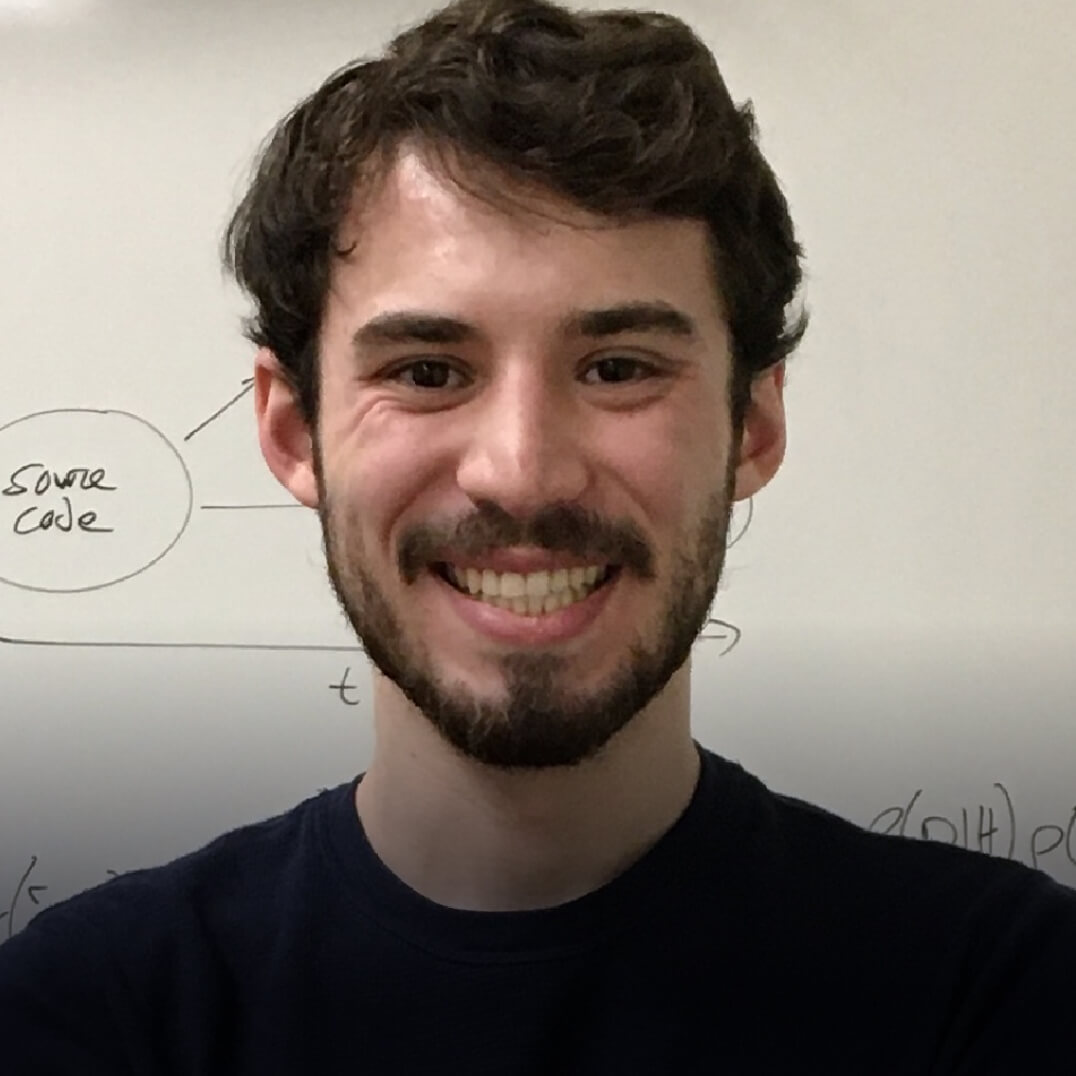
Stephen (Cas) is a Ph.D student at MIT in Computer Science in the Algorithmic Alignment Group advised by Dylan Hadfield-Menell. His main research focus is in developing tools for more interpretable and robust AI by studying interpretability, adversaries, and diagnostic tools in deep learning.

Ren is a research scientist at Animal Ask experienced in animal advocacy research, and with particular expertise in quantitative research involving data analysis, statistical programming, and biological and economic modelling. During their PhD and in their subsequent research they have explored fisheries, effective philanthropy, and animal sentience.

Kyle is an Assistant Professor of Accounting in the Adkerson School of Accountancy at Mississippi State University. His interests include donor usage of accounting information, nonprofit tax issues, and managerial decision making. He advises students on research relating to the decision-making of charitable donors.

Valentin Klotzbücher is a postdoctoral researcher at the University of Freiburg's Department of Economics. His expertise lies in economics and quantitative social science, with a broad interest in institutional economics, development, and health. Valentin's recent research explores crisis helpline calls as a complementary measure of mental and social distress. He is passionate about global health and development, mental and physical health, and improving institutional decision-making. Valentin offers feedback on topic proposals and helps refine ideas, particularly for empirical projects, drawing on his experience supervising economics bachelor and master students.

Aleš is a Biosecurity Program Associate at Convergent Research. Previously, he was research assistant to Dr Eric Drexler at the Future of Humanity Institute at the University of Oxford and the youngest research assistant hired by DeepMind.

Noga is a PhD student currently working on how to better represent data from DNA sequencing. She is also a recipient of the Open Philanthropy Project Early Career Scholarship. She advises students interested in reducing catastrophic risks from engineered pathogens.
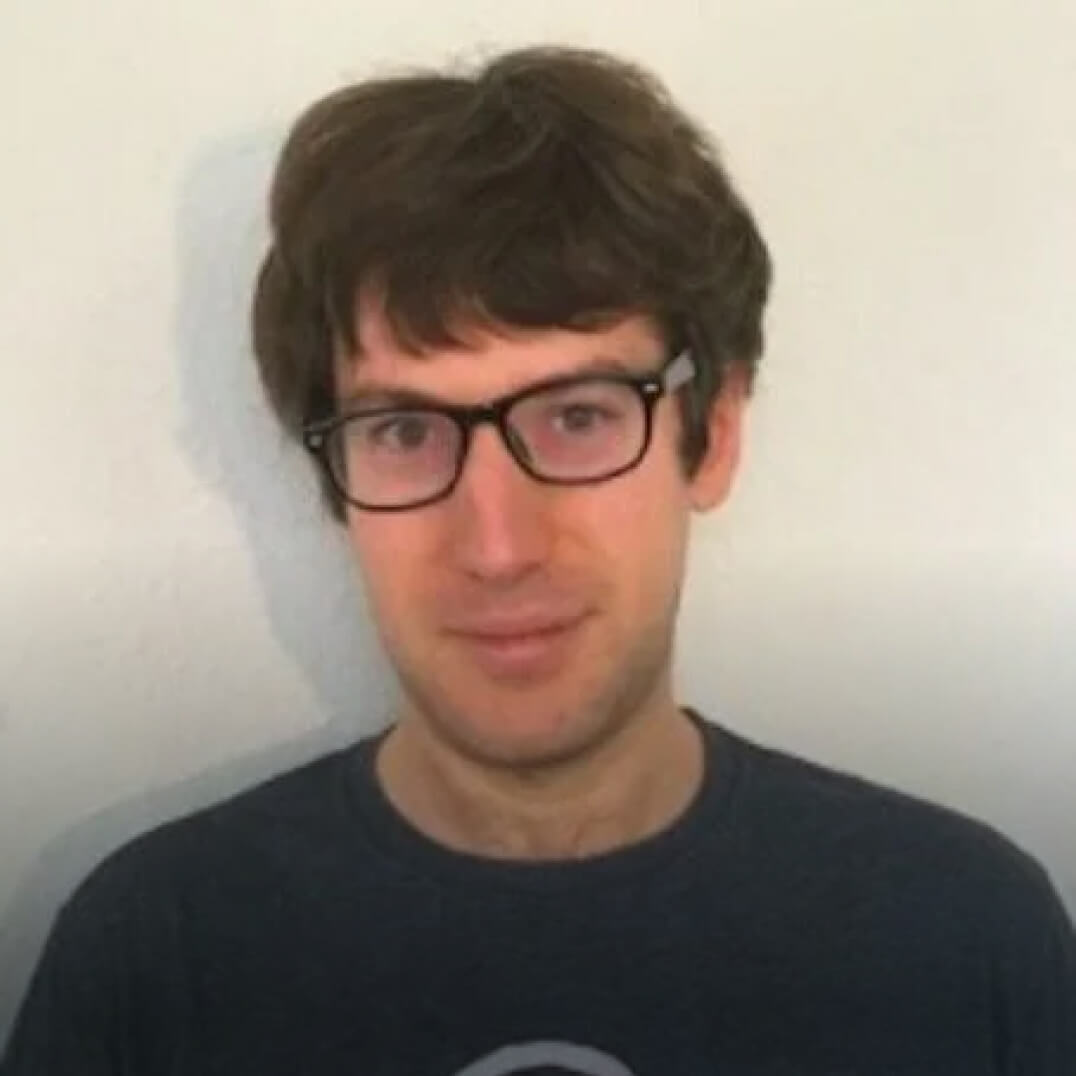
David is the Principal Research Manager at Rethink Priorities and a research fellow at Canterbury Christ Church University. David advises students interested in moral psychology and empirical social science.

Dr. Bruns is an Economist and Senior Scholar at the Johns Hopkins University Center for Health Security, specializing in cost-benefit analysis of public health, food, and biosecurity policies.
At the FDA, Dr. Bruns wrote the regulatory impact analysis for the trans fat ban, gluten-free labeling, and a rule on stopping terrorist attacks using foods as a vector.
At CHS, his current focus is on indoor air quality, and I have worked on cause prioritization, the bioeconomy, critical infrastructure resilience, misinformation, food security, and medical workforce issues. He is interested in researching disability weights for non-pharmaceutical interventions and other social conditions.

Maxime is a co-founder and chief executive officer of the Simon Institute for Longterm Governance. Max advises students in political science, behavioural sciences, mathematics and physics interested in improving political decision making.

SJ is an academic programme manager and senior researcher at the Centre for the Study of Existential Risk at Cambridge University. Previously, they were a postdoctoral research fellow with the Future of Humanity Institute at the University of Oxford and have a PhD in Philosophy from the London School of Economics.

David Denkenberger co-founded and directs the Alliance to Feed the Earth in Disasters (ALLFED). He has 65 peer-reviewed publications and is the third most prolific author in the field of existential and global catastrophic risk.

Vanessa is a research associate at the Machine Intelligence Research Institute. She advises students in mathematics, computer science and other quantitative degrees interested in human aligned artificial intelligence research.
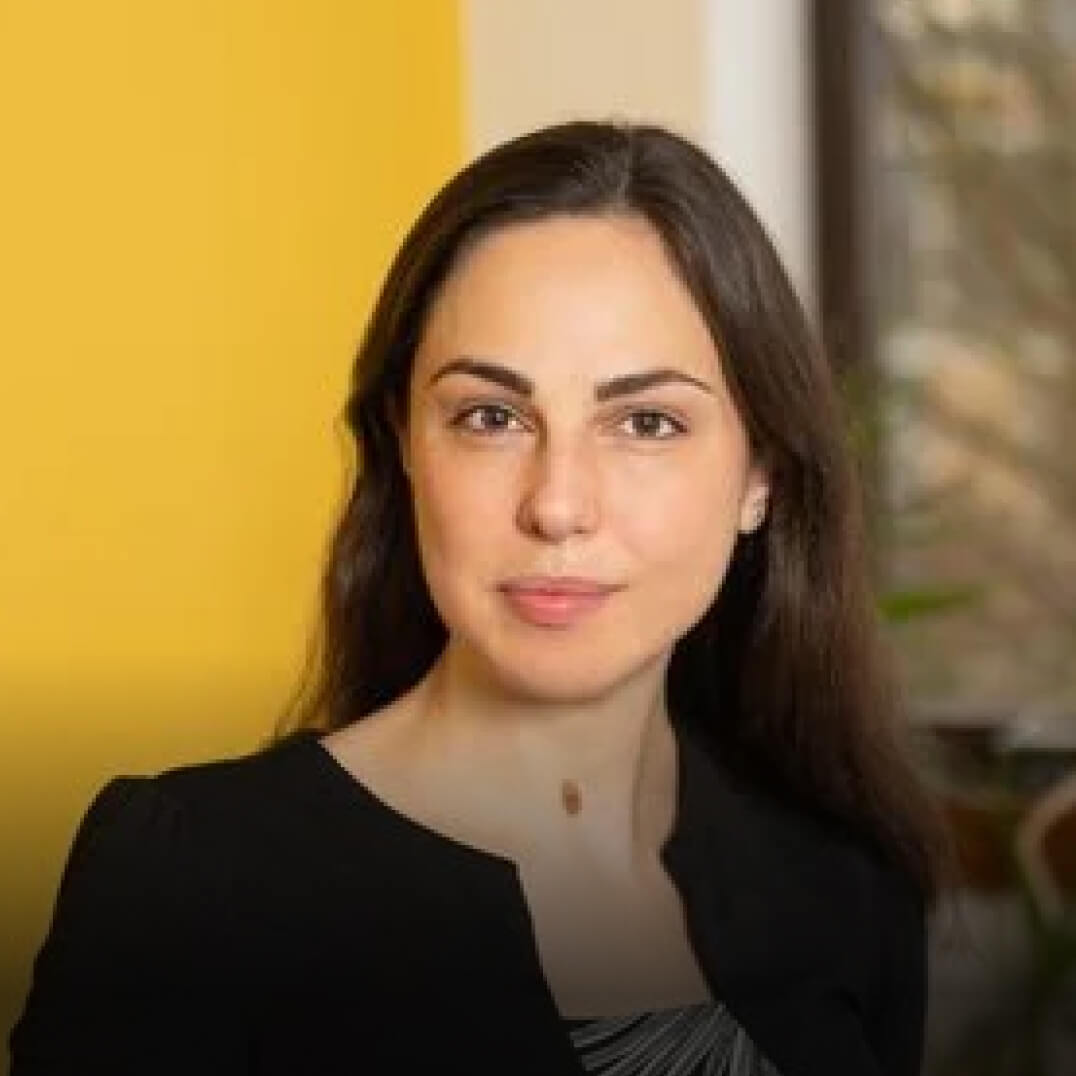
Cassidy Nelson is Co-Lead of the Biosecurity Research Group at the Future of Humanity Institute. She advises students on health security, biosecurity and pandemic prevention.
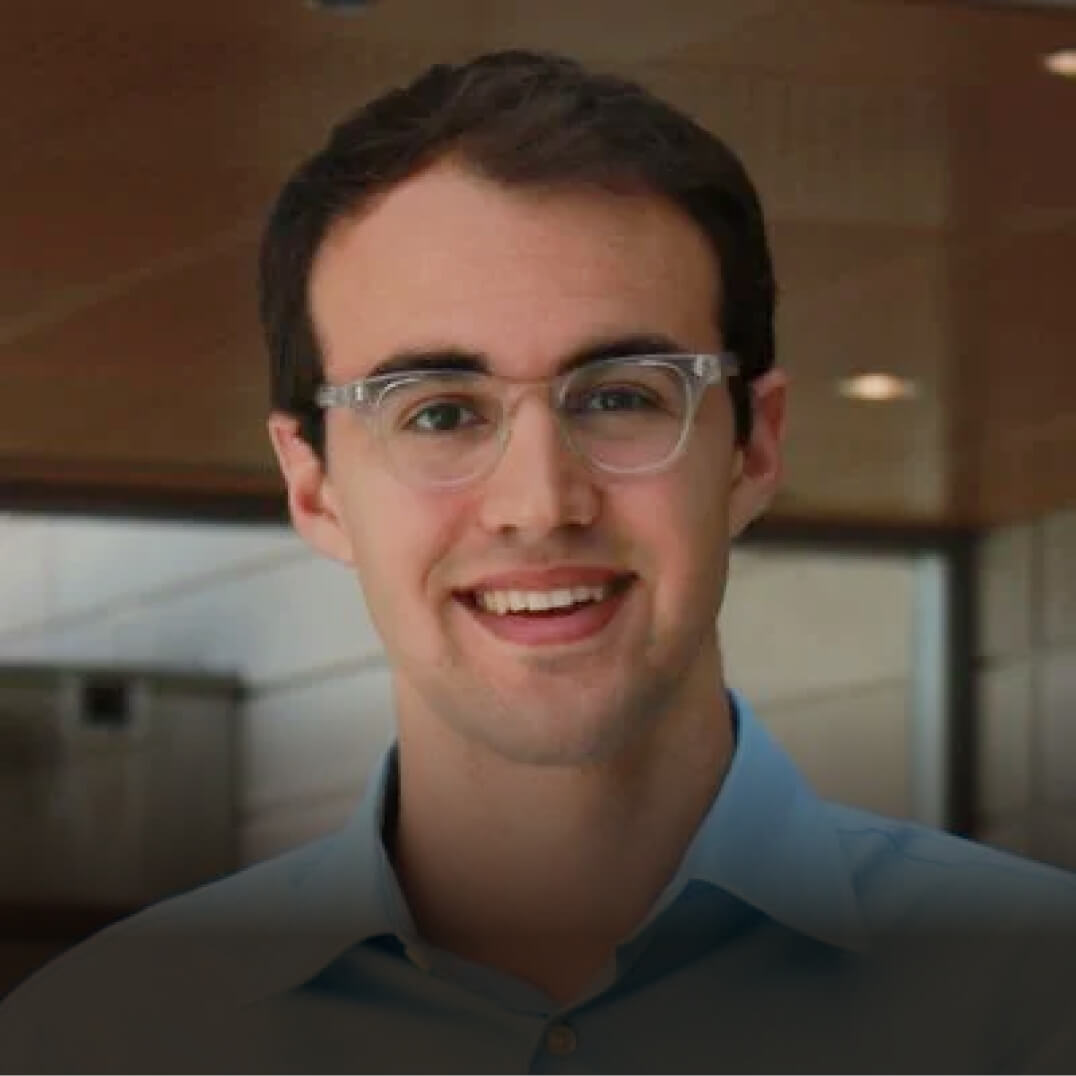
Philip Trammel is a research affiliate at the Global Priorities Institute at Oxford University. He advises students on applications of economic theory to global priorities research.
Whether you’re a student, expert, or organistion, join us in supporting the next generation of people using research and their careers to tackle global challenges.